Cross-Platform Mobile Gaming in 2026: 10 Games That Connect Players Everywhere
Mobile games and cross-platform multiplayer now let players pick a community, not a device—from battle royales to MMORPGs.
Mobile gaming has grown far beyond the days of simple time-killers. By 2026, phones and tablets can handle experiences that once demanded a console or a gaming PC, and crossplay has shifted from a bonus feature to an expectation. Why does that matter? Because the best multiplayer games no longer ask players to choose a platform; they ask players to choose a community. The titles below show how far that idea has come, from battle royales and MMORPGs to card games and asynchronous tactics.
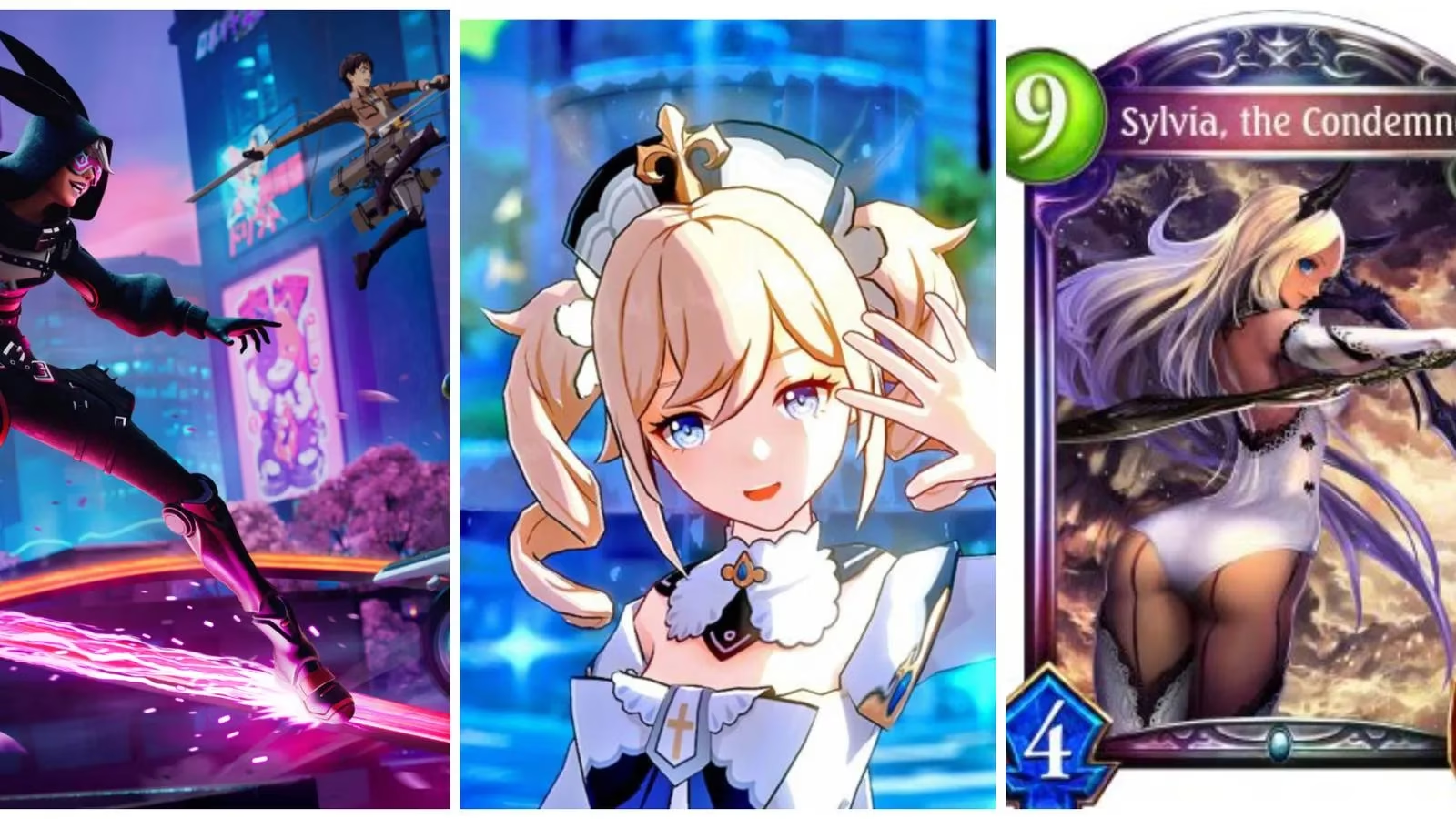
Consider the practical appeal: a player can start a match on a phone during a commute, continue on a laptop at home, and join friends on a console without losing progress or buying a separate version. That is not a fantasy anymore. It is the baseline for a growing number of releases. The ten games highlighted here—Farlight 84, Old School RuneScape, Shadowverse, Brawlhalla, Teamfight Tactics, Among Us, Pokémon Unite, Roblox, Mindustry, and Frozen Synapse—each approach cross-platform play from a different angle.
| Game | Genre | Crossplay or Mobile Highlight |
|---|---|---|
| Farlight 84 | Battle royale | PC–mobile crossplay with hero abilities and Buddies |
| Old School RuneScape | MMORPG | Shared progress across devices with a mobile-friendly UI |
| Shadowverse | Card game | Free-to-play CCG on iOS and Android, later on PC |
| Brawlhalla | Fighting game | 1v1 and 2v2 with ELO matchmaking and full crossplay |
| Teamfight Tactics | Auto battler | Eight-player matches across platforms |
| Among Us | Social deduction | Multiplayer suspicion and sabotage across devices |
| Pokémon Unite | MOBA | Fast ten-minute matches on iOS and Android |
| Roblox | Creation platform | Player-made experiences across many devices |
| Mindustry | Tower defense and factory builder | Seamless two-player mobile–PC crossplay |
| Frozen Synapse | Turn-based tactics | Asynchronous multiplayer across platforms |
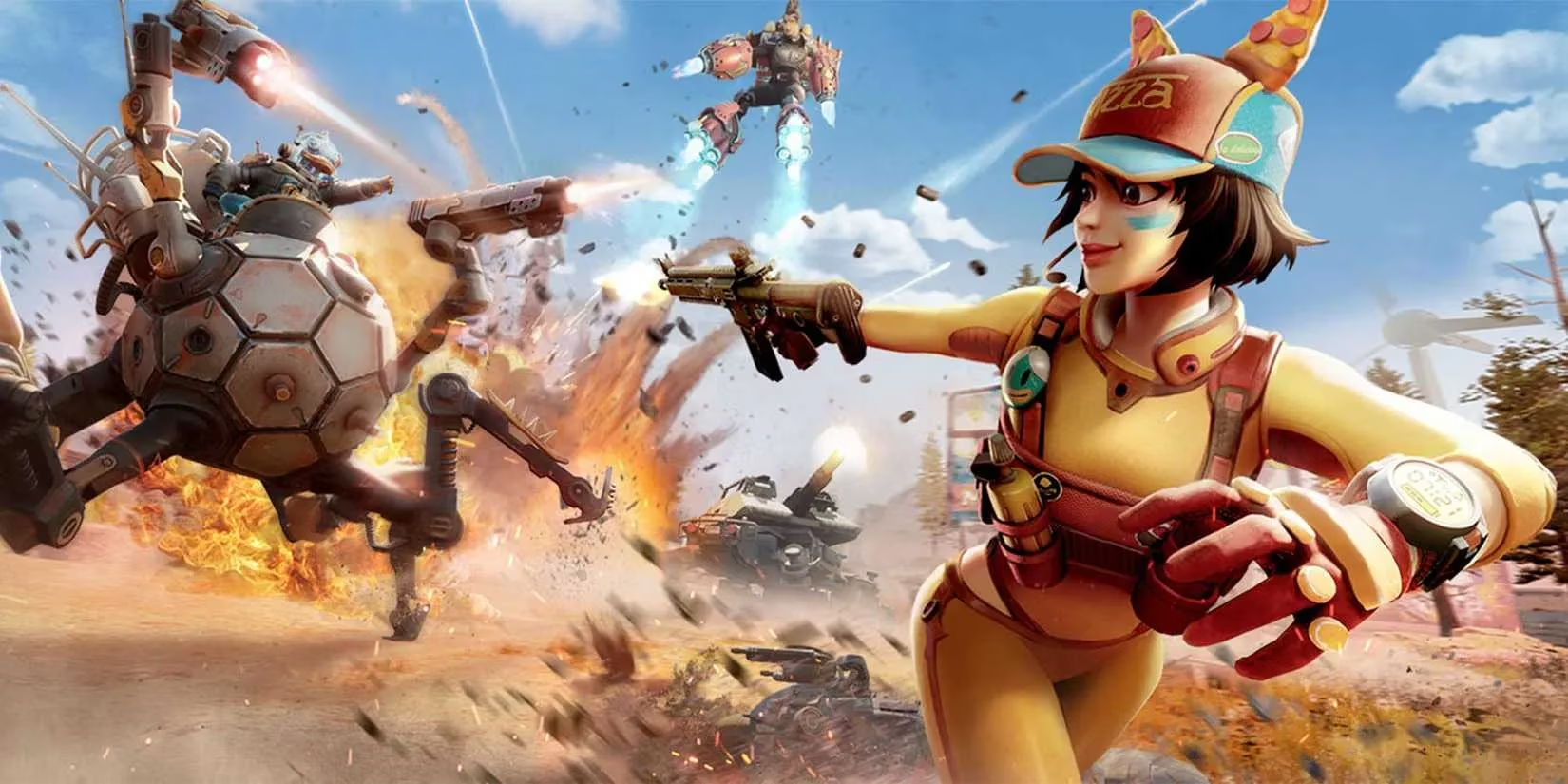
What makes a battle royale stand out when the market is crowded? Farlight 84 answers with heroes and companions called Buddies. Gunplay remains the core, but each hero brings active abilities that change how players approach a fight. Buddies add another layer: some turn into vehicles, some trap opponents, and others detect enemies and reveal their positions. Farlight 84 supports PC–mobile crossplay, though PC players cannot force themselves into mobile lobbies. That small restriction is a reminder that crossplay is not only about connecting devices; it is also about keeping matches fair.
Old School RuneScape shows how a classic can adapt without losing its identity. The mobile interface has been refined for touch screens, yet it keeps the functionality of the desktop version. Players can pick it up for quick sessions and resume later because progress is saved between devices. After all, what is the point of a long-running MMORPG if players cannot continue their journey wherever they are?
Shadowverse takes a different route. Cygames released this free-to-play digital collectible card game for iOS and Android in 2016, with Windows and macOS versions following later. Its anime-style art gives it a distinct look, while matches pit two leaders against each other. Each leader begins with 20 defense and three cards, and players take turns trying to reduce the opponent’s defense to zero. Special cards, including Victory Cards, offer another path to a win. The mobile version is not a simplified imitation; it is the same card game that PC players know.
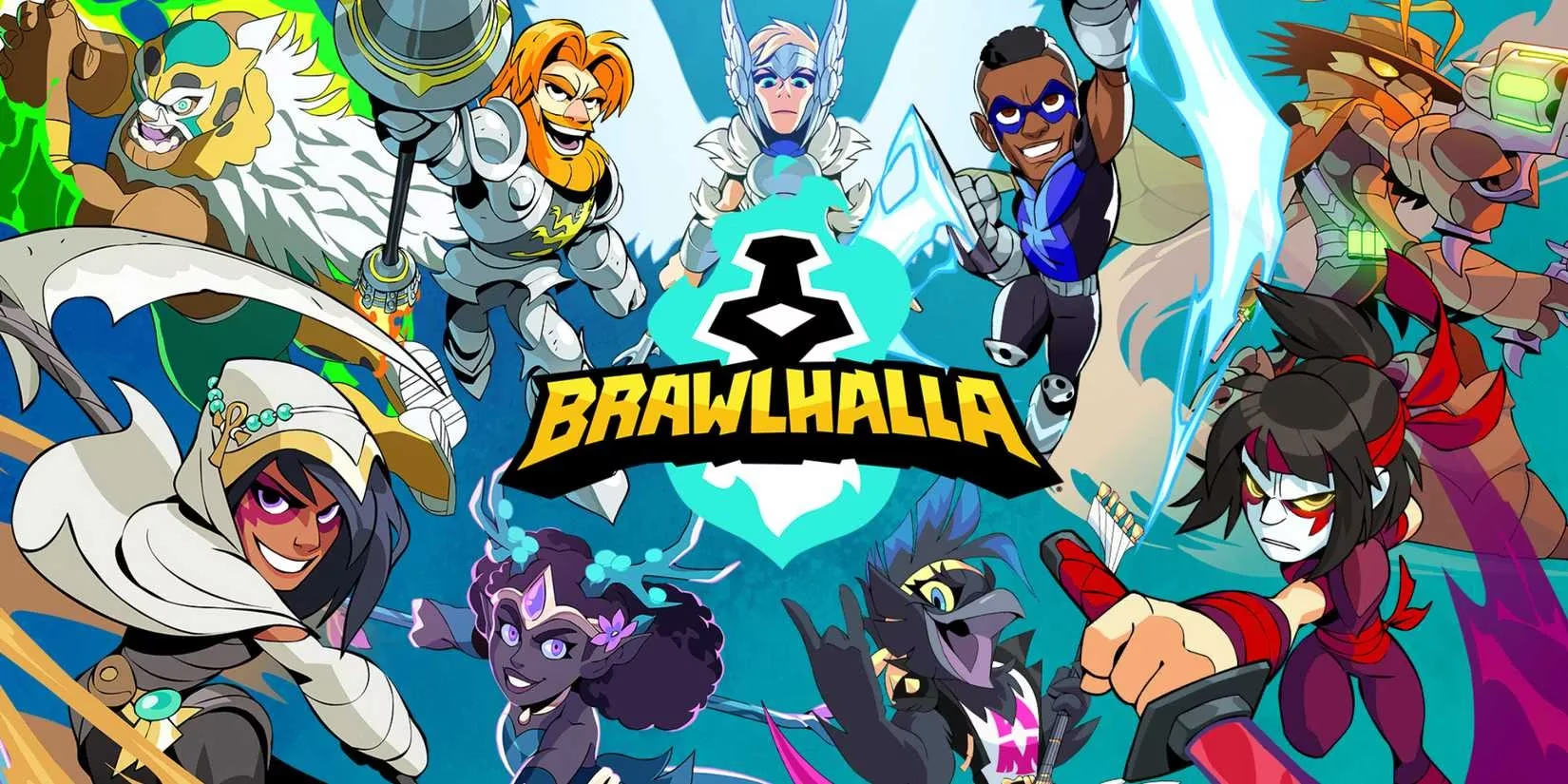
Brawlhalla brings the spirit of platform fighters to a broad audience. The free-to-play fighter offers a large roster, 1v1 and 2v2 modes, and an ELO system that keeps matches competitive. Crossplay was built in from the ground up, so a PC player can face a console player without major hiccups. Is that not exactly what cross-platform multiplayer should feel like—fair, fast, and invisible?
Teamfight Tactics began as a mode inside League of Legends, but it has grown into its own genre. In each match, players build synergies and manage resources while facing random opponents or automated foes. The game is split into levels and rounds, and it is free on Android and iOS. For players who enjoy strategy without twitch reflexes, it remains one of the strongest player-versus-player options on mobile.
Among Us turns suspicion into a social event. Innersloth’s multiplayer deduction game draws inspiration from horror movies and party games. Crewmates complete tasks and puzzles while impostors sabotage the ship and eliminate the crew. With up to three impostors in a match, every meeting becomes a test of memory and persuasion. Its bright cartoon astronauts and space setting make the betrayal feel playful rather than grim. The game is available across multiple platforms, and that reach is part of why it became a pandemic-era phenomenon.
Pokémon Unite streamlines the MOBA formula for shorter sessions. Matches last about ten minutes, which suits mobile play without removing the need for teamwork. Players capture and train wild Pokémon, score goals, and level up across a roster of characters with unique moves. It is available on iOS and Android, and its faster pace makes it a natural fit for unexpected team battles.
Roblox is less a single game and more a creation platform. Using Roblox Studio and the Luau language, users can build their own experiences and share them with others. The platform has grown into a minor-friendly space where players can buy, sell, and create games. Its presence across many devices means friends are rarely locked out because of the hardware they own. Is that not the ultimate form of cross-platform play—a place where the platform matters less than what players make together?
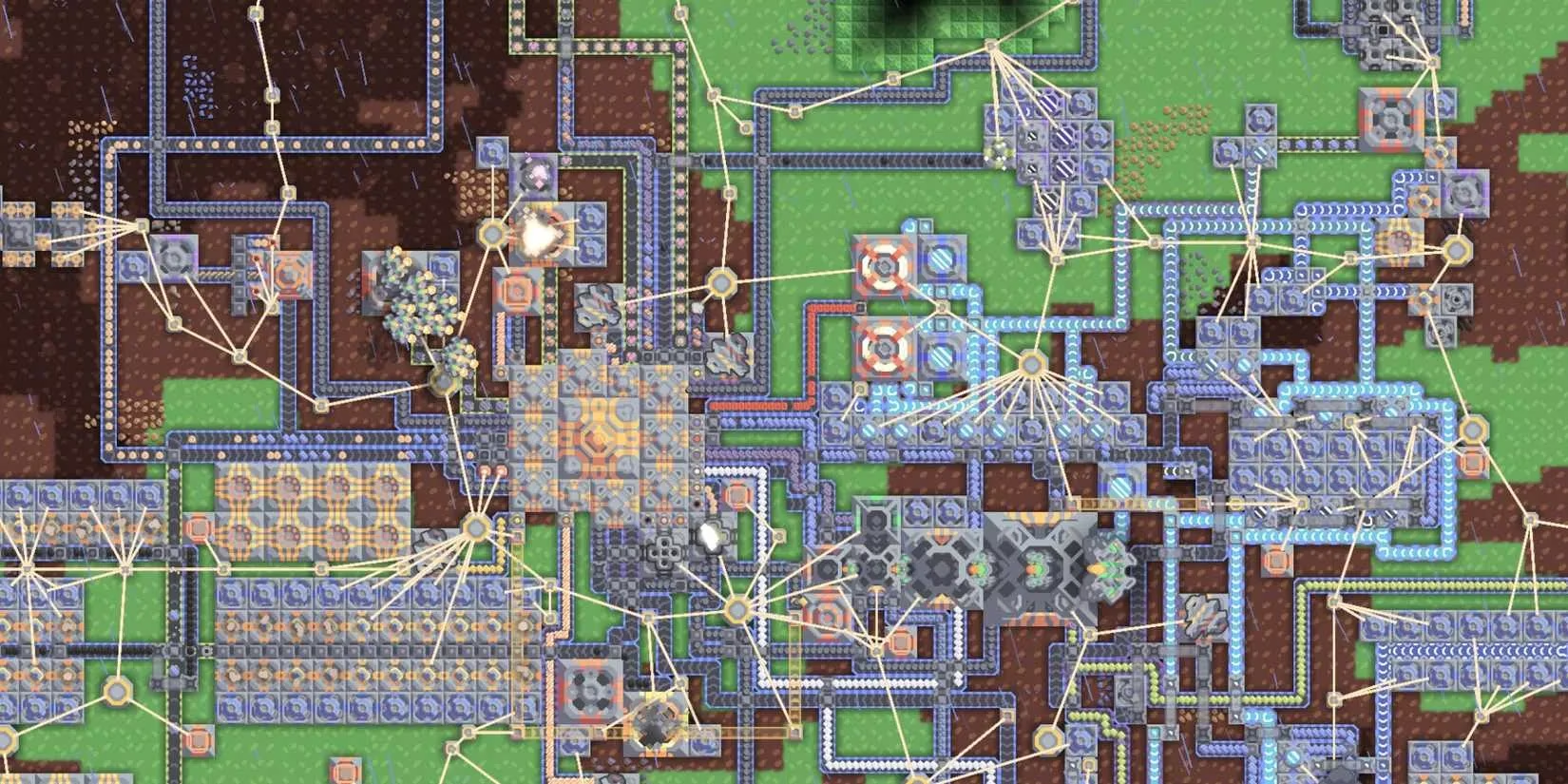
Mindustry mixes factory building, tower defense, and light real-time strategy into something that feels chaotic at first and satisfying later. Players set up defenses, manage resources, and survive waves of enemies. It is available on mobile and PC, and two players—one on each platform—can join each other in seamless crossplay. That combination of deep systems and touch-friendly controls is rarer than it should be.
Frozen Synapse closes the list with a concept that feels almost chess-like. Two sides plan their moves in a top-down tactical environment, simulate the outcome, and then lock in their choices. The asynchronous multiplayer means a player can set a plan and close the game; when they return an hour, a day, or a week later, the opponent’s move is waiting. It is a stress-free approach to competitive play, and it supports crossplay across platforms, mobile included.
The lesson for 2026 is simple: platform loyalty is fading, and player continuity is winning. After all, what is the point of a great multiplayer game if friends cannot play together? These ten titles answer that question in different ways, and they set a high bar for whatever comes next.